April 3, 2026
Regular veterinary checkups are essential for keeping your pet healthy and detecting potential issues before they become serious. Routine visits to animal hospitals allow for early identification of medical conditions, preventing disease progression and reducing the need for emergency care. These proactive appointments not only improve health outcomes but also enhance the quality and longevity of your pet’s life. By prioritizing regular vet visits, pet owners can ensure their animals enjoy long, happy, and fulfilling lives while avoiding costly and stressful emergencies.
Detects Health Issues Early
Detecting health issues early is one of the most significant advantages of routine veterinary care. Many chronic conditions, such as diabetes, arthritis, and kidney disease, develop gradually and often go unnoticed until they become severe. Animal hospitals are equipped to perform routine tests that can reveal abnormalities before they escalate, allowing treatment to begin promptly. This early intervention can slow disease progression, reduce discomfort, and dramatically improve life expectancy.
Silent diseases—those that show few or no symptoms—also pose serious risks. Heart disease, hypertension, and certain types of cancer can progress undetected without veterinary assessments. Regular checkups, which may include blood work, ultrasounds, and other diagnostics, help uncover these hidden problems. When detected early, these conditions can often be managed effectively, giving your pet a healthier, longer life.
Preventing disease progression through early identification also minimizes emergency visits. Emergencies are stressful for pets and owners alike and often come with high financial costs. Routine visits to animal hospitals can detect potential problems before they escalate, offering more treatment options and peace of mind. In addition, focusing on early treatment is generally more cost-effective than addressing advanced illnesses, helping pet owners avoid significant medical bills while ensuring their pet’s long-term health.
Monitors Your Pet’s Vital Signs
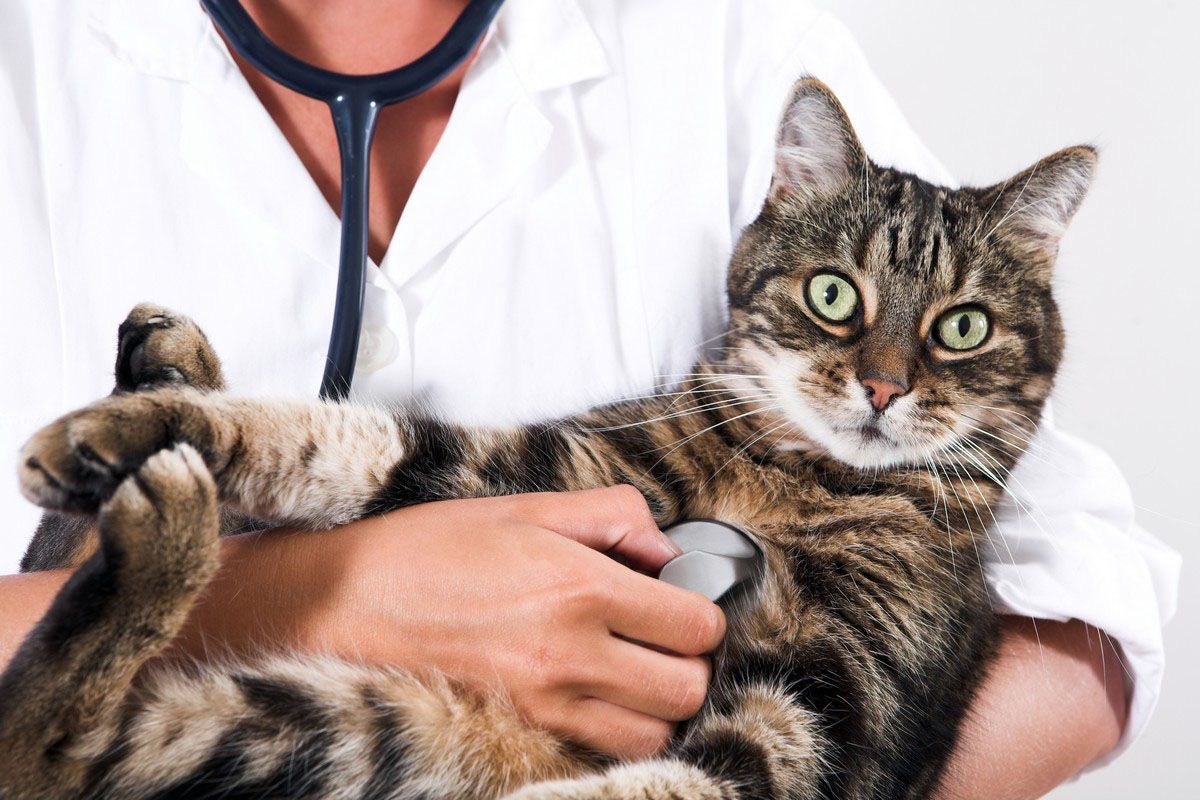
Routine veterinary checkups are not just about disease detection—they also provide essential monitoring of your pet’s vital signs and overall physical health. Understanding normal versus abnormal vitals is crucial, as even small changes in temperature, heart rate, or respiration can indicate underlying problems. Animal hospitals use these measurements to establish baselines for each pet, making it easier to detect subtle changes over time.
Weight monitoring is another critical component of preventive care. Sudden weight loss or gain can signal hormonal imbalances, metabolic disorders, or other medical issues. Regular vet visits allow for accurate weight assessment and personalized recommendations for diet and exercise, helping prevent more serious complications.
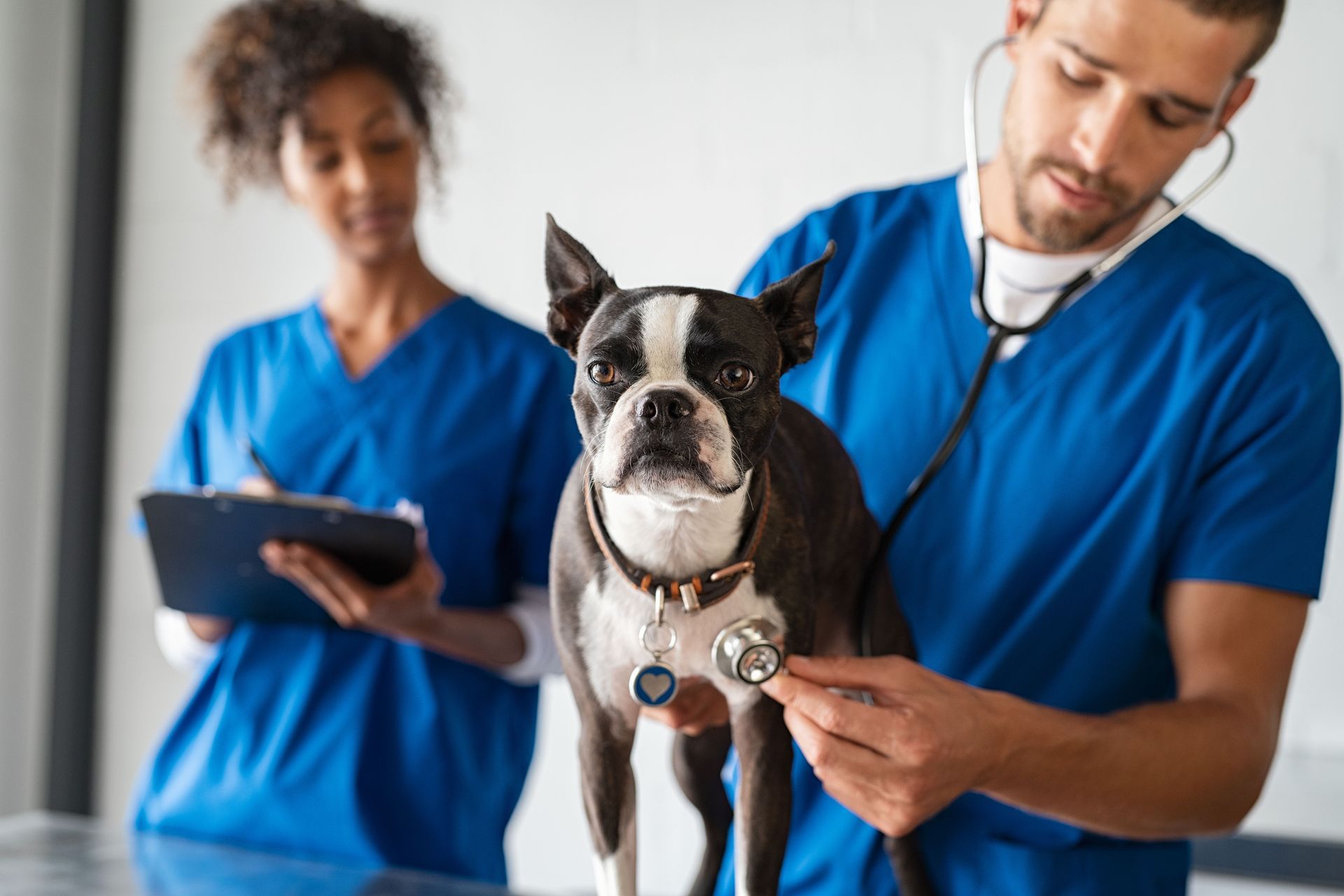
Heart rate and respiratory monitoring further contribute to early detection of potential illnesses. Irregularities in these areas may indicate heart disease, respiratory issues, or stress-related conditions. Monitoring blood pressure is equally important, as hypertension in pets often goes unnoticed until it causes organ damage. Routine evaluations ensure early intervention can prevent complications and maintain overall health.
Protects Your Pet with Vaccinations and Preventive Care
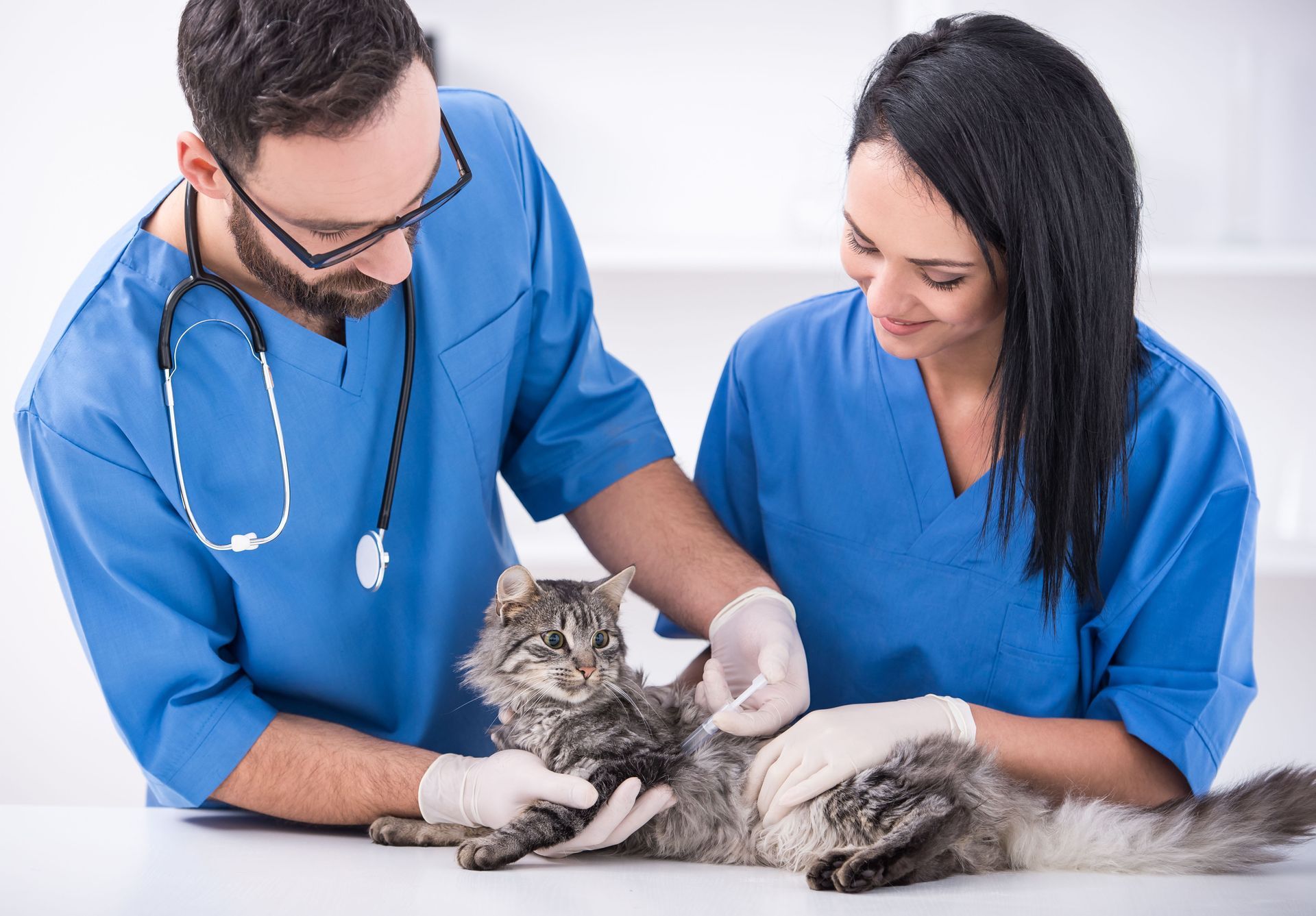
Preventive care is central to extending your pet’s life and maintaining optimal health. Core vaccinations protect all pets against diseases that are widespread, severe, or transmissible to humans. Non-core vaccines, on the other hand, are tailored to your pet’s lifestyle, environment, and specific risk factors. Routine visits allow veterinarians to evaluate these needs and ensure your pet is fully protected.
Parasite prevention is another crucial aspect of preventive care. Fleas, ticks, heartworms, and intestinal worms pose significant health risks to pets and can transmit diseases to humans. Animal hospitals provide customized prevention plans and adjust them as needed, keeping your pet safe and healthy.
Dental care also plays a vital role in overall wellness. Poor oral health can lead to infections and contribute to systemic problems such as heart disease. Routine dental assessments and cleanings during checkups prevent serious complications and improve quality of life.
Nutrition assessments are equally important. Veterinarians evaluate your pet’s diet, body condition, and energy levels, offering tailored recommendations to prevent obesity, diabetes, and gastrointestinal disorders. Combining vaccinations, parasite prevention, dental care, and nutritional guidance into routine vet visits ensures pets receive comprehensive preventive care that supports longevity and vitality.
Tailors Healthcare to Life Stage
Pets have different health needs at each stage of life, and regular checkups ensure their care evolves accordingly. Puppies and kittens require specialized attention to vaccinations, parasite prevention, nutrition, and early behavioral guidance. These visits lay the foundation for healthy development and successful socialization.
As pets transition into adulthood, their healthcare needs shift. Routine visits help monitor vital signs, weight, and emerging health concerns, such as dental disease or obesity. Adult care focuses on maintaining optimal health while preventing the onset of chronic conditions.
Senior pets require targeted care to address age-related concerns, including arthritis, declining organ function, and weight management issues. Regular checkups allow veterinarians to adjust treatment plans and provide interventions that enhance comfort and quality of life. Significant life events—like spaying, neutering, pregnancy, or surgery—also benefit from veterinary supervision. According to Gitnux, 20% of all animal hospital and clinic visits are for surgery, emphasizing the importance of professional guidance during these events. End-of-life planning is equally crucial, allowing pet owners to ensure their animals receive compassionate care that preserves comfort and dignity during their final years.
Supports Behavioral and Mental Health
Behavioral health is closely linked to physical wellness, and routine vet visits play a critical role in identifying and managing behavioral concerns. Stress, anxiety, and aggression can all stem from underlying medical or environmental factors. Regular assessments allow veterinarians to detect these issues early and recommend strategies to address them effectively.
Behavioral training guidance provided during checkups helps reinforce positive habits and correct undesirable behaviors. Tailored advice enhances mental stimulation, encourages socialization, and strengthens the bond between pets and owners. Recognizing when behavior changes are medically induced is essential for ensuring timely treatment and avoiding unnecessary stress.
Animal hospitals also focus on creating positive experiences during vet visits. Gradual desensitization, calming techniques, and preparation strategies help pets feel safe and relaxed, resulting in more accurate examinations and a healthier pet-owner relationship over time. These positive experiences also encourage pets to cooperate during future visits, making preventive care and routine checkups more effective.
Builds a Lifelong Veterinarian-Client Relationship
A strong, ongoing relationship with a veterinarian ensures the highest level of care throughout your pet’s life. Choosing the right veterinary practice, communicating openly, and maintaining consistent medical records all contribute to a successful long-term partnership. Transparency and trust empower owners to make informed decisions while allowing veterinarians to create comprehensive, personalized health plans.
Regular visits to animal hospitals foster this relationship, ensuring continuity of care and proactive management of your pet’s health. Health plans typically include vaccinations, screenings, nutritional guidance, and preventive care tailored to each pet’s individual needs. By working closely with your veterinarian, you can help your pet lead a longer, healthier life while enjoying peace of mind that all aspects of their well-being are being monitored.
Regular veterinary checkups are essential for maintaining your pet’s health and extending their lifespan. Through early detection, preventive care, life-stage-specific treatments, and behavioral support, routine visits to animal hospitals provide a comprehensive approach to pet wellness. These checkups allow owners to address medical, emotional, and developmental needs while maintaining detailed health records and fostering strong veterinarian-client relationships. Prioritizing regular veterinary care ensures your pets remain healthy, happy, and well-cared-for throughout every stage of life. Schedule your pet’s next visit today with Aloha Animal Hospital Associates and give them the gift of a longer, healthier life.